


Why Do Gel Nails Lift? Common Causes and Fixes
A gel manicure should feel polished, secure, and easy to wear - not like it is catching on your hair two days later. So, why do gel nails lift? Usually, lifting comes down to a break in the bond between your natural nail and the gel product. That break can start at the cuticle, sidewalls, or free edge, and once it begins, water and everyday wear can make it spread.
The good news: lifting is not always a sign that you did something wrong. Natural nail texture, lifestyle, application technique, and aftercare all play a role. Knowing what is behind it helps you protect your manicure and get the beautiful results you booked for.
Why Do Gel Nails Lift at the Cuticle?
The cuticle area is the most common place to see lifting because it is where product application needs the most precision. Your nail plate naturally grows from this area, and it can hold onto invisible skin, oils, or moisture that interfere with adhesion.
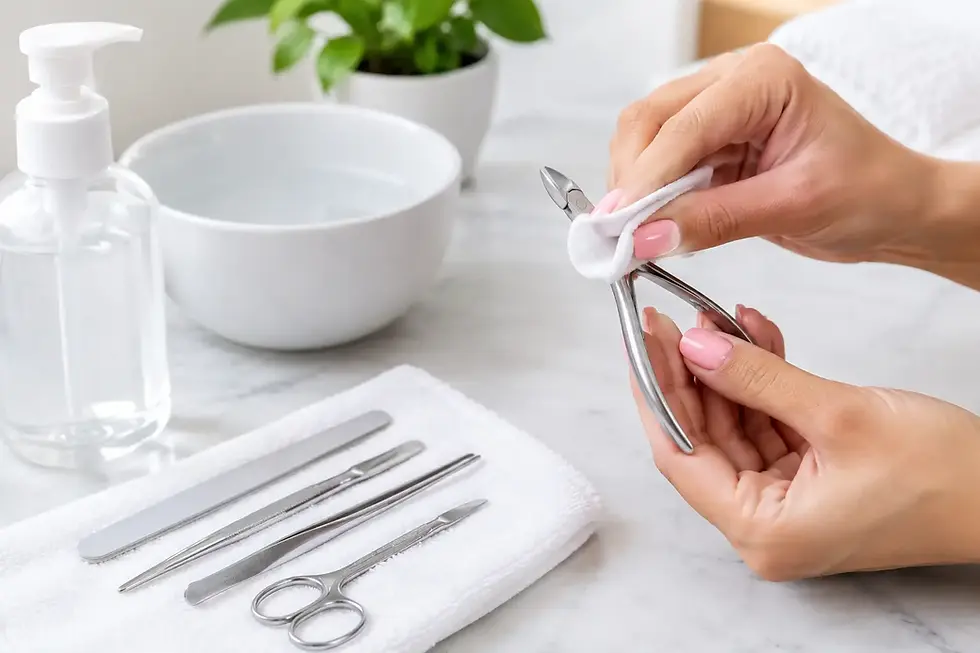
During a quality gel service, the nail needs thoughtful prep before color ever goes on. That means addressing non-living cuticle tissue on the nail plate, refining the nail surface appropriately, and keeping the area clean and dry. An advanced Russian e-file manicure can create an especially detailed, clean canvas when performed by a trained professional, helping gel sit neatly near the cuticle without flooding it.
If gel touches the skin or cuticle, it is more likely to separate as your nail grows and moves. The same can happen when product is applied too thickly near the base of the nail. A close application looks luxurious, but it still needs a tiny, intentional margin of space to stay secure.
The Most Common Causes of Gel Lifting
Natural oils, lotion, or moisture before the service
Hand cream is great for your skin, but it is not ideal right before a gel manicure. Oils and lotion can leave a film on the nail plate that makes it harder for base coat to grip. Long showers, swimming, or a sweaty workout immediately before an appointment can also leave nails temporarily more hydrated.
You do not need to arrive with dry, neglected hands. Simply skip cuticle oil and rich hand cream on the day of your appointment, especially in the hour or two beforehand. Your nail professional will handle the appropriate prep in the studio.
Incomplete nail prep
Gel does not adhere well to shine, residue, or cuticle tissue left on the nail. This is why prep is not the boring part of a manicure - it is the foundation of wear. The right amount of gentle surface refinement gives the base product something to hold onto, while removing too much can weaken the natural nail.
This balance matters. Aggressive filing may seem like it would improve adhesion, but over-filed nails can become thin, flexible, and more prone to product separation. Expert technique is about preparation that is thorough, not harsh.
Product applied too thickly or not cured correctly
A thicker layer does not automatically mean a stronger manicure. In fact, bulky gel can create more stress as your natural nail flexes, especially around the free edge. Thick color layers may also cure unevenly if the lamp, product system, and application are not working together as intended.
Each gel product has a recommended application and curing process. Professional-grade lamps are designed to cure compatible products correctly, but even then, technique matters. Thin, even coats tend to look cleaner, feel lighter, and wear better.
Your nails are flexing underneath the gel
Some natural nails are naturally flexible, while others become bendier after frequent water exposure, long wear, or previous damage. When the nail bends more than the gel can move with it, the bond may begin to lift at the edges.
In this case, a strengthening base or structured gel overlay may be a better fit than a standard soft-gel manicure. There is no one-size-fits-all formula. The best service depends on your nail length, daily routine, and how your natural nails behave between appointments.
Water, cleaning products, and hands-on routines
Water does not instantly ruin gel, but repeated soaking can contribute to lifting over time. Your natural nail absorbs water and expands slightly. As it dries, it contracts. That subtle movement can challenge the bond, particularly if a small edge has already started to separate.
Frequent dishwashing, deep cleaning, gardening, food prep, and work that keeps your hands in water can all shorten wear time. Cleaning chemicals are another concern, since they may dull the finish and work their way under a lifted edge. Gloves are a small habit with a big payoff.
Using nails as tools
Opening cans, peeling labels, prying off lids, and picking at stickers put pressure directly on the free edge. Even a perfectly applied gel manicure has limits. Nails are jewelry, not tools - a rule that is easier to remember when you want your fresh set to stay glossy for two or three weeks.
If one nail catches, resist the urge to pull at the gel. Peeling can remove layers of your natural nail along with the product, leaving it weaker for your next service.
How to Keep Gel Nails From Lifting
The best aftercare is simple and realistic. Wear gloves for dishes and cleaning, use cuticle oil daily, and avoid treating your nails like mini screwdrivers. Cuticle oil supports flexibility in the surrounding skin and nail plate, which can help reduce dryness and snagging as your manicure grows out.
Try not to pick at small chips or lift an edge yourself. If you notice separation, book a repair or removal as soon as you can. Once water, soap, or debris gets beneath the product, the lifted area can grow and become harder to safely correct.
Timing matters, too. Most gel manicures look and wear their best when maintained on a regular schedule, often around two to three weeks depending on growth and lifestyle. Waiting too long can put extra leverage on the product, particularly if you wear longer nails or a structured overlay.
Can Gel Lifting Be Fixed?
A tiny lifted corner may be repairable, but it depends on where it is, how much product has separated, and whether moisture has gotten underneath. A professional should assess it rather than simply coating more gel over the top. Covering trapped moisture or debris can create bigger problems than the original lift.
If the product has lifted near the cuticle, along a sidewall, or across a larger area, removal and a fresh application are often the cleanest option. It may feel disappointing to redo a nail early, but protecting the condition of your natural nails is always the better choice.
Never glue down lifted gel at home. Nail glue can trap moisture and make safe removal more difficult. Likewise, avoid filing aggressively underneath the lifted portion. A smooth-looking quick fix is not worth compromising your nail health.
When Lifting May Point to a Bigger Issue
Occasional lifting happens, especially during travel, busy work weeks, seasonal dryness, or a stretch of extra handwashing. But if every manicure lifts within a few days, tell your nail professional. Consistent lifting may mean your nails need a different base system, a shorter length, a more flexible product, or a change in prep and aftercare.
Hormonal changes, certain medications, and naturally oily nail plates can affect retention as well. This is not about blame. It is about finding the approach that works for your nails instead of forcing a service that is not the right match.
At Touchpoint Nails + Spa, a premium manicure is never only about the color you choose. It is about precise prep, thoughtful product selection, and the kind of expert care that helps your nails look refined long after you leave the studio. If lifting has been frustrating you, bring it up at your next appointment - a few small adjustments can make your next set feel as good as it looks.
Comments