


Nail Biting Recovery Starts With Small Wins
Your hands are often the first place stress shows up. A chipped edge during a meeting, sore cuticles after a long drive, or the familiar urge to bite when you are waiting for a text can make nail biting feel frustratingly automatic. Nail biting recovery is not about having perfect willpower. It is about giving your nails, skin, and routines enough support that healthy growth becomes easier to maintain.
The good news: nails can recover beautifully. With gentle care, realistic expectations, and a little polish motivation, even nails that have been bitten short for years can begin to look smoother, stronger, and more polished.
What Nail Biting Recovery Actually Looks Like
Recovery is usually less dramatic than people expect. At first, the goal is not long nails. It is calm skin, protected edges, and a nail bed that has time to grow forward again. When biting stops or becomes less frequent, the tender skin around the nail has an opportunity to heal, and new nail growth is no longer interrupted at the same spot.
Natural nails grow slowly, generally only a few millimeters each month. That means visible progress can take several weeks, while a fully grown-out nail may take months. If you have bitten close to the skin, uneven lengths and delicate edges are normal in the beginning. Treat that stage as part of the process, not proof that recovery is failing.
It also helps to separate nail biting from a simple beauty habit. For many people, it is tied to boredom, anxiety, concentration, or a need to fix a rough edge immediately. A recovery plan works best when it addresses both the nails and the moments that trigger the urge.
Start With Healthy, Comfortable Nails
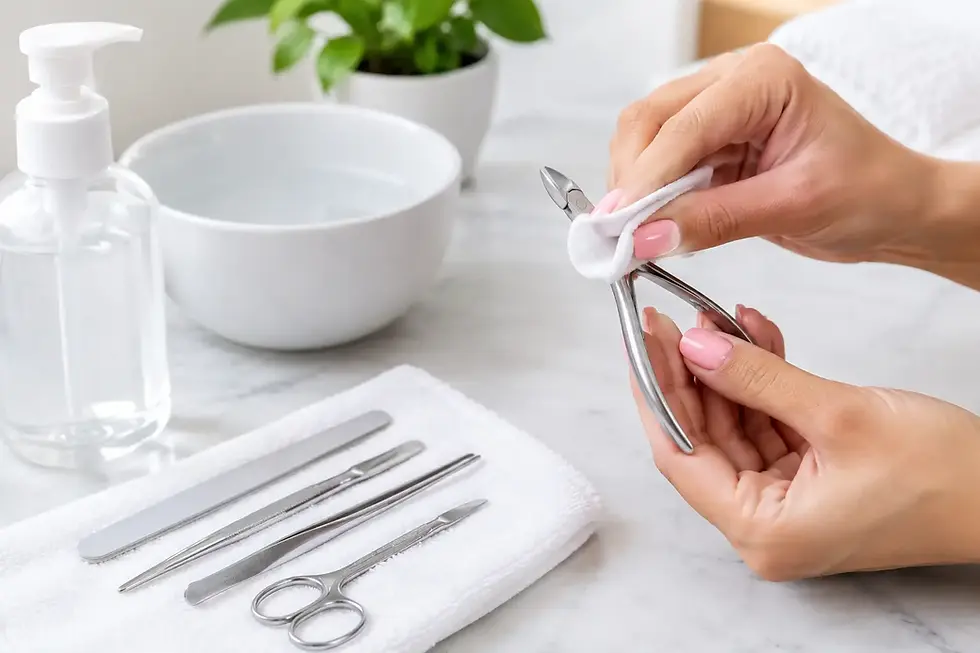
A torn cuticle or jagged edge can make biting feel almost inevitable. Keeping nails short, smooth, and comfortable removes some of that temptation. Use a fine file in one direction to soften snags instead of pulling at them. A compact file in your bag, desk, or car gives you a better option when an edge catches.
Hydration matters more than most people realize. Massage cuticle oil or a nourishing hand cream into the nail area daily, especially after washing your hands. Dry skin is more likely to peel, crack, and invite picking. This is a small ritual, but it can turn a stressful moment into a quick reset.
If the skin is broken, red, swollen, or painful, skip polish and avoid trimming it aggressively. Keep the area clean and let it settle. Persistent pain, drainage, warmth, or swelling deserves attention from a medical professional, since damaged skin around the nail can become infected.
Keep the first manicure realistic
The right manicure can be a practical part of nail biting recovery because it creates a smooth finish and a reason to pause before biting. However, the best service depends on the current condition of your nails. Very short nails may need a simple cleanup, careful shaping, and a protective finish before they are ready for more elaborate length or art.
A skilled nail professional should work gently around sensitive cuticles and avoid over-filing thin natural nails. Precision services, including a Russian e-file manicure when performed appropriately by an experienced technician, can create an exceptionally clean, refined look. But the technique is not a shortcut for damaged skin. If your cuticles are irritated or actively healing, a lighter approach may be the smarter choice.
At Touchpoint Nails + Spa, the focus is always on beautiful results that still respect where your nails are today. A clean, polished manicure can make the early recovery phase feel intentional rather than something you need to hide.
Build a Plan for Your Triggers
Telling yourself to stop biting is rarely enough, particularly when the habit happens without conscious thought. Instead, notice the pattern. Do you bite while answering emails, watching television, driving, studying, or lying awake? Once you know when it happens, you can plan a replacement action that is easy to reach in that exact moment.
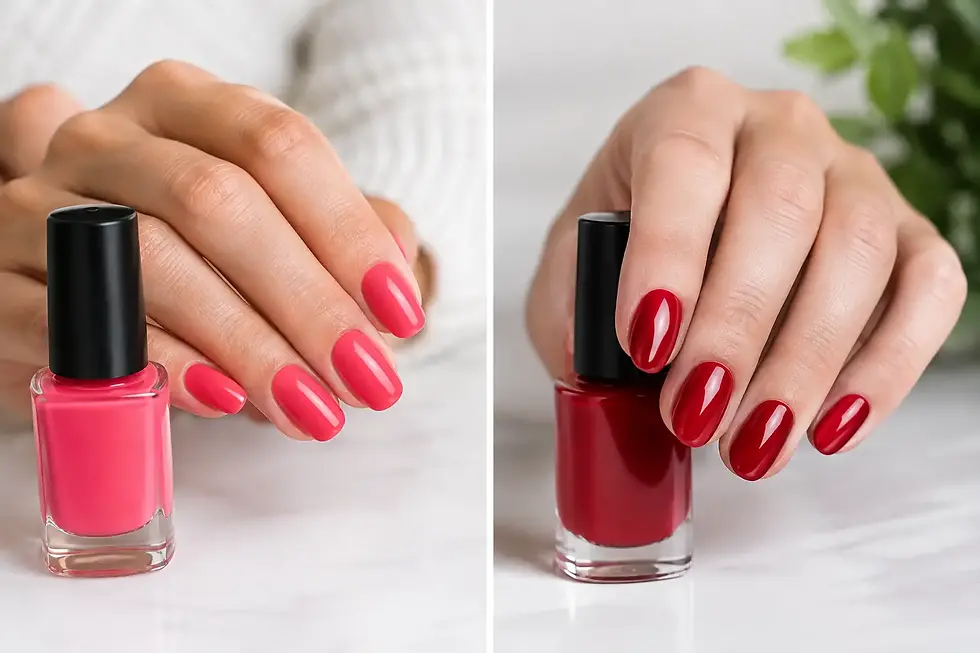
For some people, keeping hands busy helps. A ring, stress ball, fidget item, or even a warm mug can interrupt the motion toward the mouth. Others benefit from changing the sensory cue: a bitter-tasting nail product may create a pause, while a glossy manicure makes damage more visible before it happens. Neither approach works for everyone, and that is okay. The goal is to find the barrier that feels useful rather than punishing.
You may also need a quick response for rough edges. Make a simple agreement with yourself: if a nail feels uneven, file it or moisturize it before deciding what to do next. That tiny delay can weaken the connection between discomfort and biting.
Choose Protection Without Creating More Damage
A protective manicure can be helpful during recovery, but it should fit your lifestyle and your natural nail condition. Gel polish may give you a durable, smooth surface that lasts through a busy workweek. A structured overlay can offer more support for flexible nails. A regular manicure may be the best low-commitment option if you are testing what feels comfortable.
There is a trade-off. Longer wear can mean more visible regrowth and a stronger barrier, but it also requires proper removal and regular maintenance. Peeling off gel or picking at lifting product can set recovery back by taking layers of the natural nail with it. If you choose an enhancement, commit to professional removal or follow the correct removal process at home.
Length is another personal decision. Some clients prefer to keep nails very short at first because it feels manageable. Others find that a modest, uniform extension gives them enough distance from their usual biting pattern to break the cycle. Neither is universally right. Comfort, maintenance, and nail health should lead the decision.
Make Progress Visible
Nail biting recovery can feel slow because you see your hands every day. Photos help. Take one picture of your nails every week in similar lighting, then compare after a month. You may notice smoother cuticles, longer nail beds, and stronger free edges before you feel like you have made progress.
It can also help to set milestones that are about care, not length. Maybe your first win is seven days without bleeding cuticles. The next is making it through a stressful work presentation without biting. Then it is choosing a color you love because your nails finally feel ready for it. These are real signs of change.
Try not to turn one setback into a full reset. If you bite one nail, care for it, file it smooth, and continue with the rest of your routine. Recovery is not all-or-nothing. A single difficult day does not erase the healing that has already happened.
When Extra Support Makes Sense
If nail biting feels impossible to control, causes regular bleeding or infections, or comes with significant anxiety, it may be more than a cosmetic concern. A therapist or health professional can help you explore habit-reversal strategies and the underlying stress that keeps the behavior going. Getting support is not excessive. It is a practical form of self-care.
You deserve hands that feel comfortable, cared for, and worthy of showing off. Start small tonight: moisturize, smooth one rough edge, and choose the next gentle step. Those small wins are how healthy nails and a more confident routine begin.
Comments