


Waxing vs Shaving Results: What Lasts Longer?
A close shave can look beautifully smooth when you leave the house, then feel like a different story by tomorrow morning. That is where waxing vs shaving results become more than a beauty preference. The better choice depends on your schedule, skin sensitivity, hair texture, and how long you want that polished, ready-for-anything feeling to last.
For a busy week, a vacation, a wedding weekend, or simply a self-care reset, both methods can have a place in your routine. The difference is in what happens after your appointment or shower: how quickly hair returns, how your skin feels, and how much maintenance you want to take on.
Waxing vs Shaving Results at a Glance
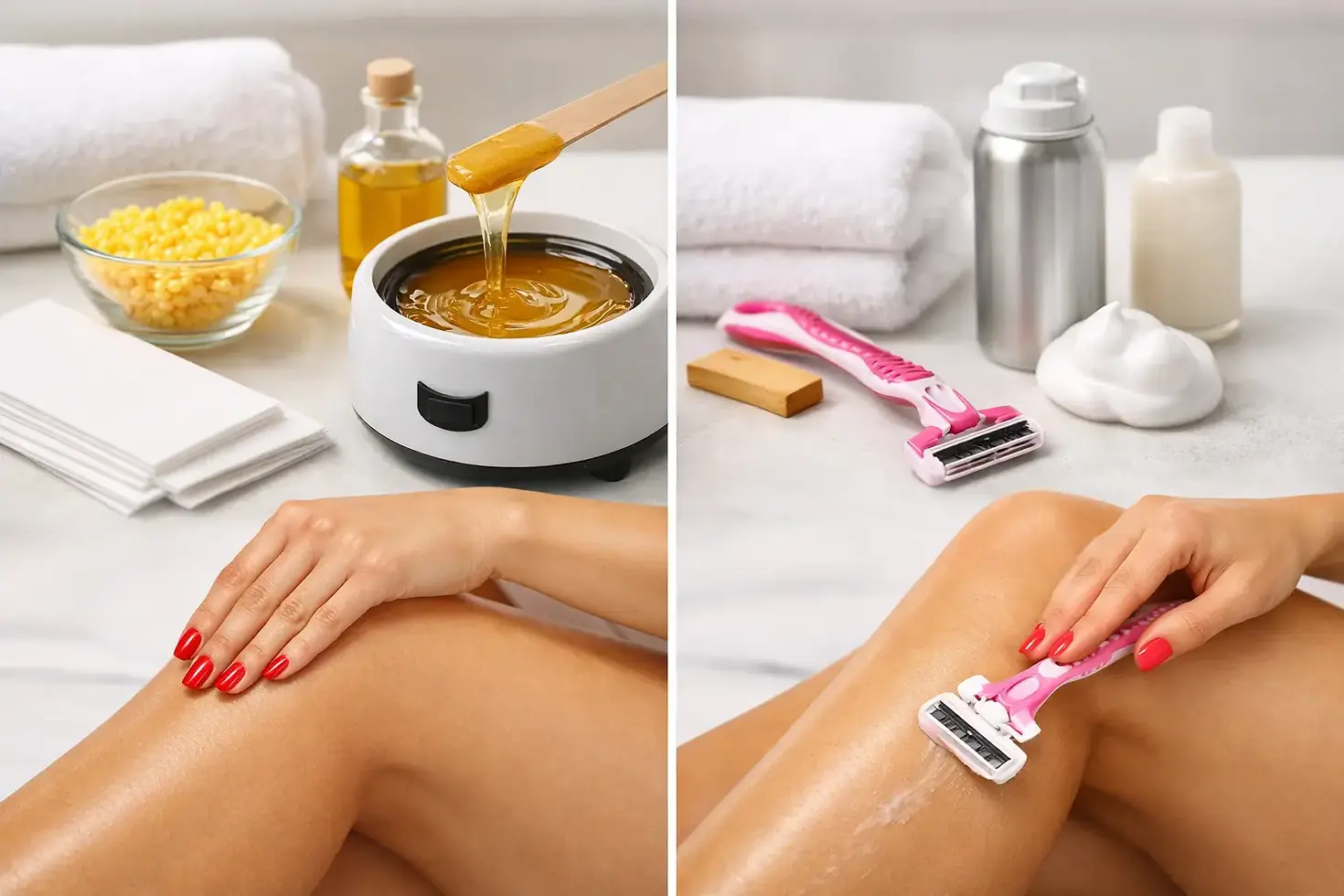
Shaving cuts hair at the skin's surface. It is quick, easy to do at home, and ideal when you need a last-minute touch-up. Because the root stays in place, though, regrowth can appear within a day or two. Depending on your hair color and texture, you may notice shadow, roughness, or visible stubble fairly quickly.
Waxing removes hair from the root. The immediate result is usually smoother skin without the blunt edge that shaving leaves behind. Most clients enjoy results for roughly three to six weeks, although that timeline varies by body area, growth cycle, and individual hair patterns. Underarms and brows may need more frequent upkeep than legs, for example.
Neither service is automatically better in every situation. Shaving wins for speed and convenience. Waxing tends to win for longer-lasting smoothness and a more refined finish. If your priority is staying polished through a packed calendar without daily maintenance, waxing is often the more satisfying option.
How Long Does Smoothness Really Last?
With shaving, the skin can feel silky right after you rinse and moisturize. Since hair is only cut rather than removed, new growth begins to show as soon as it reaches the surface. Some people can shave every few days; others prefer daily shaving for a consistently smooth finish.
Waxing gives you a longer break from hair removal because the hair follicle needs time to produce and push out new growth. In the first several days after a wax, the skin often feels especially smooth. Regrowth usually arrives softer at first because the hair has a tapered tip, rather than the blunt tip created by a razor.
Consistency also changes the experience. When waxing appointments are kept on a regular schedule, many clients feel that hair becomes easier to manage over time. Growth may appear more evenly, and some people notice that it feels finer in certain areas. This is not a guarantee, and waxing does not permanently stop hair growth, but a consistent routine can make maintenance feel much more predictable.
The growth-cycle factor
Hair does not grow in one perfectly synchronized cycle. That is why a first wax may be followed by a few shorter hairs appearing sooner than expected. With repeated appointments, more of the hair can begin to follow a similar schedule. Your esthetician can help recommend timing based on the area being waxed and your desired level of smoothness.
Texture, Appearance, and That Just-Left-the-Spa Feel
The look of regrowth is one of the biggest differences between waxing and shaving. A razor slices each hair across its shaft, leaving a straight, blunt edge. When that hair grows out, it can feel coarse against the skin. Shaving does not make hair truly grow back thicker or darker, despite the common myth, but that blunt edge can create the impression of thicker regrowth.
Waxed hair grows in with a naturally narrower tip. The result can feel softer and look less obvious between appointments, especially on areas like the legs, arms, and bikini line. Waxing also removes hair across a larger area at once, which can create a more even finish than shaving around curves, knees, ankles, or hard-to-reach spots.
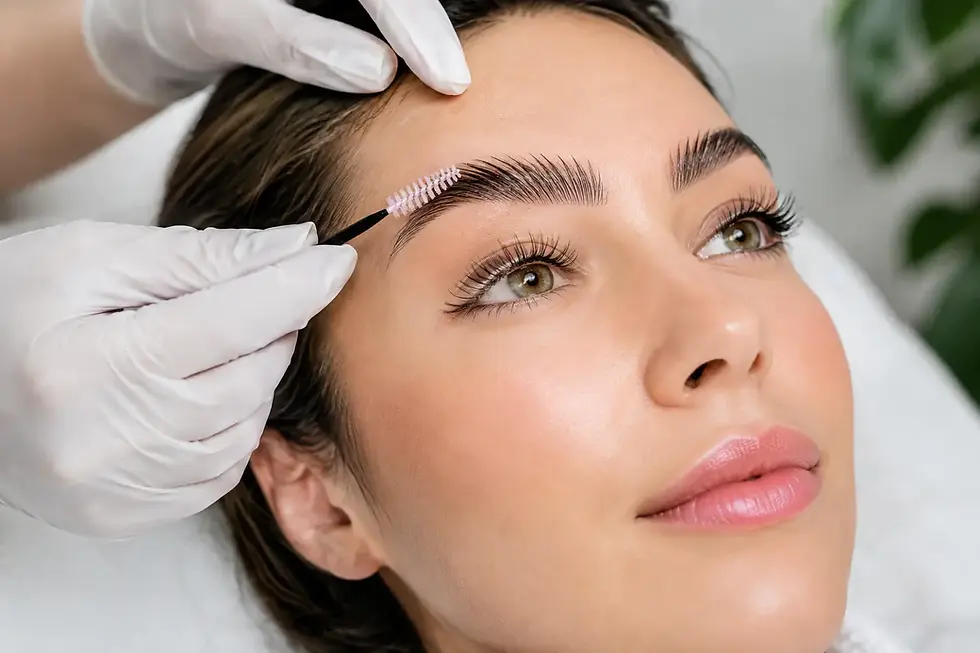
For brows, waxing offers a different kind of payoff. Precision matters more than simply removing hair. A professional wax can clean up the surrounding area while preserving the shape that suits your features. It is a small service with a major effect on how polished your whole face looks.
Skin Sensitivity: Which Method Feels Better?
Sensitive skin changes the conversation. Shaving can cause razor burn, nicks, dryness, and ingrown hairs, particularly when you shave quickly, use a dull blade, or shave against the direction of hair growth. Friction is often the issue, so a clean sharp razor, warm water, and a gentle shaving cream can make a noticeable difference.
Waxing can cause temporary redness and tenderness because hair is being removed from the root. This is normal for many people, especially after a first appointment or on more delicate areas. The good news is that post-wax redness often settles relatively quickly, and there is no daily razor friction while the skin recovers.
Your skin condition matters as much as the method. Let your waxing professional know if you use retinoids, strong exfoliants, acne treatments, or any prescription skincare that makes your skin more sensitive. Certain products and medications can make waxing unsuitable until you pause them with guidance from your healthcare provider. Never wax skin that is sunburned, irritated, cut, or actively inflamed.
Reducing ingrown hairs after waxing or shaving
Ingrown hairs can happen with either method, especially in areas with thicker or curlier hair. Gentle exfoliation a few times a week, once the skin has calmed, helps prevent dead skin cells from trapping new growth. Daily hydration also keeps skin supple and supports a smoother texture.
After waxing, skip hot baths, intense workouts, tanning, and heavily fragranced products for about 24 hours when possible. Freshly waxed skin appreciates a little breathing room. After shaving, avoid tight clothing if the area feels irritated, and replace your razor regularly rather than trying to stretch its lifespan.
Cost and Convenience Are Part of the Result
At first glance, shaving is less expensive. A razor and shaving product are easy to pick up, and the process takes only a few minutes. The hidden cost is time: regular shaving can become a daily or every-few-days task, depending on the area and the result you want.
Waxing costs more per visit, but appointments are spaced farther apart. For many clients, that trade-off feels worthwhile before a beach trip, a special event, or a season when they want to spend less time thinking about body hair. A professional service also offers the benefit of technique, cleanliness, and a more comfortable experience than trying to wax yourself at home.
Consider your real routine, not just the price of a single service. If shaving works well for your skin and you do not mind frequent upkeep, it remains an excellent option. If you value lasting smoothness and prefer a more finished result, waxing can turn maintenance into a relaxing part of your self-care calendar.
Choosing the Right Option for Your Routine
Choose shaving when you need immediate hair removal, prefer to handle it at home, or are not able to grow hair out before an appointment. For waxing to grip effectively, hair generally needs to be around one-quarter inch long - about the length of a grain of rice. That often means waiting roughly two to three weeks after shaving, depending on how quickly your hair grows.
Choose waxing when you want to stay smooth longer, are preparing for an event, or are tired of the stubble-and-repeat cycle. For your first appointment, arrive with clean skin and avoid applying heavy lotion to the treatment area. Wear comfortable clothing afterward, particularly for bikini or body waxing, and give yourself a little extra time before any high-heat plans.
At Touchpoint Nails + Spa, waxing can fit naturally into a polished beauty day alongside nail, brow, or lash services. The goal is not to make your routine more complicated. It is to leave feeling cared for, confident, and ready to enjoy your plans.
The best hair-removal routine is the one that feels good on your skin and works with your actual life. If you are curious about waxing, book a service before a lower-pressure week or weekend, follow the aftercare, and see how the longer-lasting result feels for you.
Comments