


Guide to Salon Hygiene Standards
A polished manicure can look flawless, but the real luxury starts before the polish ever goes on. A true guide to salon hygiene standards is really about knowing what should happen behind the scenes so every service feels as safe, clean, and comfortable as it looks.
For clients, hygiene shapes trust. For salons, it shapes reputation. And for anyone booking nails, lashes, brows, or waxing, the difference between a basic visit and a premium experience often comes down to the details you can see - and the ones you cannot.
Why salon hygiene matters more than people think
Cleanliness in a salon is not just about appearances. A beautiful space with soft lighting and stylish decor can still fall short if daily hygiene practices are inconsistent. Real standards protect clients, support technician performance, and help every service feel more relaxing because there is less room for doubt.
That matters even more with close-contact beauty services. Nail care involves skin, natural nails, tools, water, and sometimes tiny abrasions around the cuticle area. Waxing and brow services come with their own hygiene expectations. When sanitation is handled well, clients can settle in and enjoy the appointment instead of wondering whether a station was properly prepped.
There is also a practical side for salons. Strong hygiene habits reduce cross-contamination risks, support regulatory compliance, and create the kind of professional consistency people remember. In a city like Austin, where clients have options and expectations are high, clean execution is part of the brand.
A practical guide to salon hygiene standards
The easiest way to understand salon hygiene is to look at the full client journey. Standards are not limited to one disinfectant bottle on a counter. They show up from check-in to checkout.
Clean starts at the front of house
A hygienic salon usually signals itself early. The reception area should feel tidy, organized, and intentionally maintained. Floors should be clean, trash should be managed, and shared surfaces should not look neglected. This may sound simple, but first impressions matter because they often reflect back-of-house habits.
A clean waiting area also affects the emotional experience. Clients come in to reset, get event-ready, or fit in self-care between work and life. Walking into a fresh, welcoming environment makes the service feel elevated before the technician even says hello.
Workstations should be reset between every client
This is one of the biggest markers of professional standards. A nail station should not simply be "straightened up." It should be fully reset. That means visible debris removed, surfaces cleaned and disinfected as appropriate, and tools replaced with properly sanitized items before the next service begins.
Clients do not need to memorize every disinfecting product used in the industry, but they should expect a station that feels intentionally prepared for them. If a table still has dust, used files, or leftover supplies from the previous appointment, that is a red flag.
Pedicure areas deserve the same attention. Basins and chairs should be cleaned thoroughly between clients, not just rinsed. Since water-based services can create extra concerns, consistency here matters a lot.
Tool sanitation is where standards become real
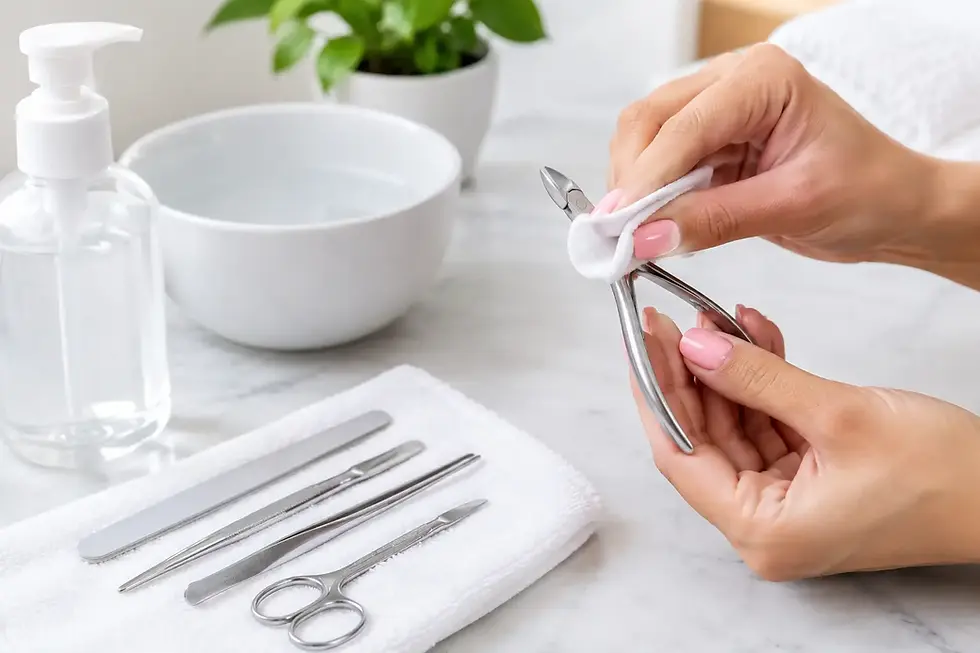
This is the heart of any guide to salon hygiene standards. In nail care especially, tools must be handled with discipline. Items that are designed for single use should be discarded after one client. Reusable implements need proper cleaning and disinfection according to professional guidelines.
The key point is that salons should have a system, not guesswork. Clean tools should be stored separately from used ones. Technicians should not be reaching into mixed containers or handling sanitized items carelessly. Clients may not see the full sanitation process, but they can usually tell whether one exists.
With advanced services such as Russian e-file manicures, this matters even more. Precision work requires technical expertise, but it also depends on careful handling of bits, implements, and surrounding surfaces. Premium results and strong hygiene standards go together.
Technician habits matter as much as the space
A spotless salon can still feel off if technician habits are sloppy. Good hygiene includes handwashing, fresh gloves when needed, and smart handling of products and tools during the service. If a technician touches multiple surfaces and then returns to your hands or feet without resetting, the experience stops feeling polished.
Professional habits also include knowing when not to proceed. If a client has visible irritation, broken skin, or a condition that needs medical attention rather than cosmetic treatment, a responsible technician should pause and advise appropriately. That may feel inconvenient in the moment, but it is actually a sign of care and professionalism.
Product handling should be clean and controlled
Salon hygiene is not only about metal tools. Creams, waxes, polishes, brushes, and applicators all need thoughtful handling. Double-dipping, contaminated containers, and messy storage can compromise standards quickly.
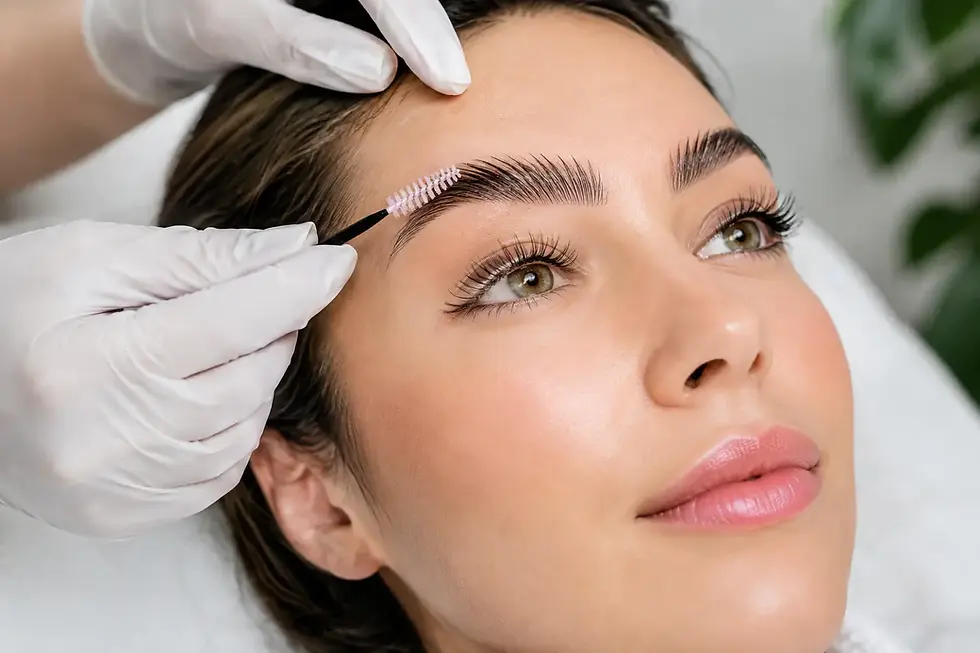
This is one area where service type matters. For example, brow and waxing appointments require disposable applicators and careful skin prep. Nail services may involve jars, bottles, and brushes that need to be used in a way that avoids contamination. A well-run salon trains for these details instead of treating them as minor issues.
What clients should look for during an appointment
Most clients are not performing an inspection, and they should not have to. Still, knowing what to notice can help you choose a salon with confidence.
Look at whether the station appears freshly prepared for you. Notice whether your technician washes or sanitizes hands appropriately and uses clean tools. Pay attention to the overall rhythm of the service. Hygienic salons usually operate with calm precision because their systems are already in place.
It is also fair to ask questions. A quality salon should be comfortable explaining, in a straightforward way, how tools are sanitized or how pedicure stations are cleaned between appointments. Confidence and transparency tend to go together.
That said, there is a balance. Some sanitation steps happen outside the client's view, and that alone is not a problem. The better question is whether the salon communicates professionalism consistently across the entire experience.
Hygiene standards and the luxury experience
There is a common assumption that hygiene is the bare minimum while luxury is something separate - nicer chairs, prettier interiors, a better drink menu. In reality, cleanliness is part of what makes a service feel premium.
When a salon is truly clean, clients relax faster. They are not mentally scanning the room or second-guessing the tools. They can focus on the result, the conversation, or simply enjoying a quiet hour to themselves. That peace of mind is part of the experience people come back for.
At a salon like Touchpoint Nails + Spa, where expert technique and a clean, welcoming environment are both part of the promise, hygiene is not a hidden operational detail. It supports the whole mood - modern, polished, and easy to trust.
The trade-off between speed and standards
Not every fast salon is careless, and not every slower salon is more hygienic. Still, there is a real trade-off when businesses prioritize rapid turnover over process. Proper station resets, tool handling, and room prep take time.
Clients who value beautiful results usually understand this. A slightly more deliberate pace can be a good sign when it reflects attention to detail. The goal is not slow service for its own sake. It is thoughtful service that does not cut corners where cleanliness is concerned.
This is especially relevant for detailed treatments like nail art, e-file work, and combined beauty appointments. The more specialized the service, the more important it is that hygiene practices keep up with the technique.
Choosing a salon with confidence
If you are trying a new salon, trust both observation and instinct. Clean counters, organized supplies, fresh linens, and professional technician habits all matter. So does how the space makes you feel. A salon should feel cared for, not just decorated well.
Reviews can help, especially when clients mention cleanliness in specific ways rather than vague praise. But the in-person experience tells the fuller story. The best salons make hygiene feel built in, not performative.
A good beauty appointment should leave you with more than great nails or smooth skin. It should give you that rare feeling that everything was handled well - skillfully, comfortably, and with real attention to detail. That is the standard worth booking for.
Comments